February 13 – April 17, 2026
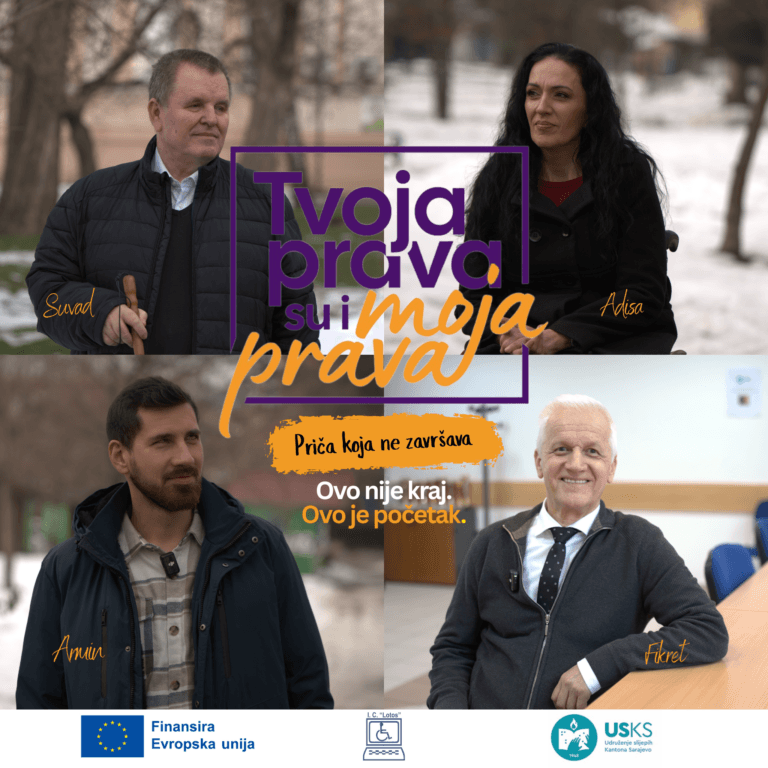
Campaign "Your rights are my rights too" aims to strengthen awareness that human rights are universal, indivisible and equally important for everyone. Through information, public dialogue and digital tools, the campaign encourages citizens to recognize, respect and actively defend their rights and the rights of others.
Campaign goals:
– Increase understanding of fundamental human rights and mechanisms for their protection.
- Encourage solidarity and mutual respect in society.
- Encourage active citizen participation and response to rights violations.
– Empower particularly vulnerable groups through available information.
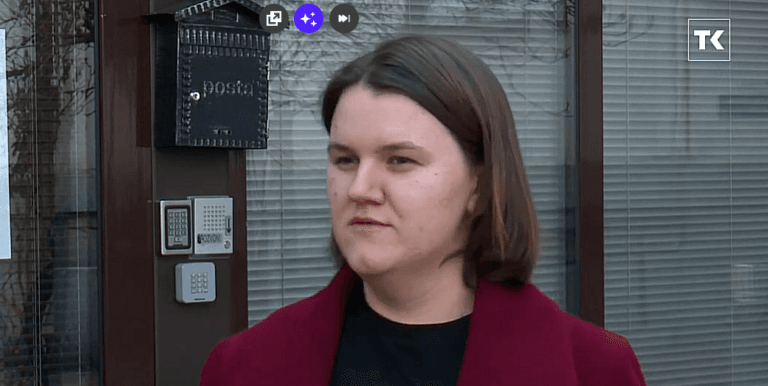
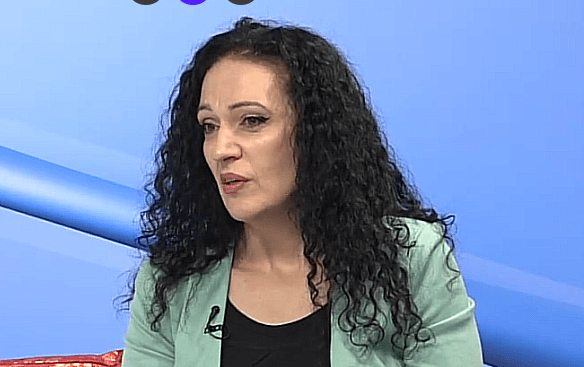
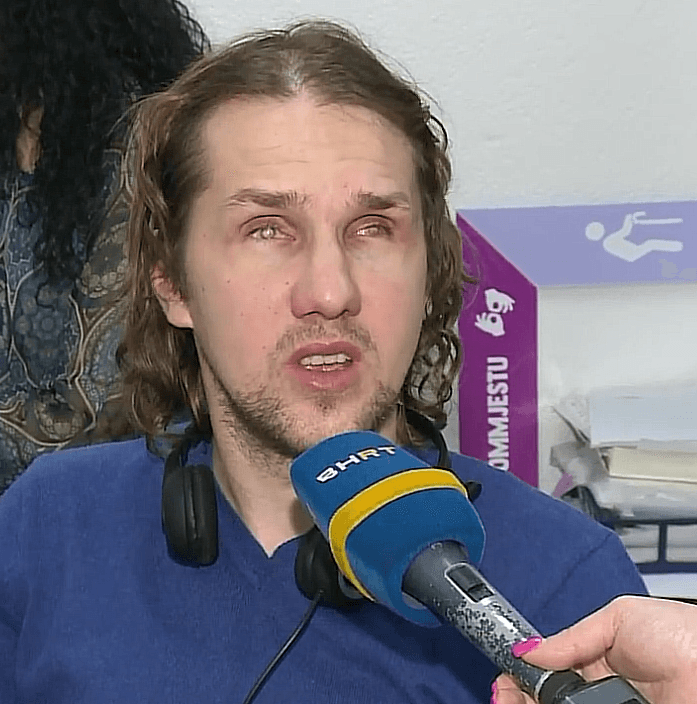
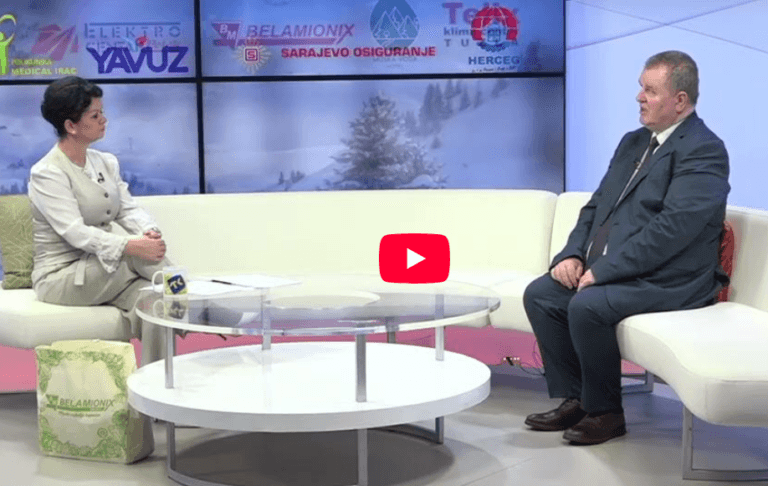
Through the campaign, we will present the stories of human rights activists. Click on the image to learn more.


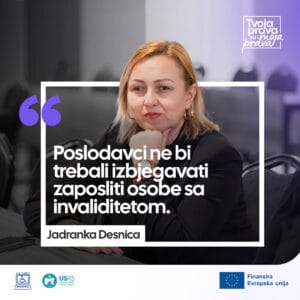


This campaign message "Your rights are my rights too" is not just a slogan. It is a call to reconsider how many rights in Bosnia and Herzegovina are real, and how many remain on paper.
As Suvad Zahirović, a fighter for the rights of people with disabilities, pointed out in an interview, "human rights must not be declarative"It is through the rights of persons with disabilities that we can clearly see how well the system succeeds – or fails – in translating laws into everyday practice.
The right to accessibility – the foundation of inclusion
Accessibility implies architectural adaptation of space, availability of information in accessible formats, digital technologies that can be used by everyone and services adapted to different needs. Without accessibility, there is no real access to education, health care, employment or public life. Let's imagine a person who comes to a public institution to exercise his right, but the entrance does not have a ramp, information is not available in an accessible format, and the institution's website is not adapted for people with visual impairments. The right formally exists, but obstacles make it unattainable. At the same time, the ramp is useful for parents with baby strollers, clear digital services are used by the elderly, and simple procedures are used by all citizens. What is good for people with disabilities is good for everyone.
The right to education means more than enrollment in school. It includes assistive technologies, professional support and an inclusive environment that recognizes the potential of every child. A child with a disability can be enrolled in a regular school, but if the school does not have an elevator, adapted materials or assistant support, every day becomes an additional obstacle. Without adequate support, the right to education becomes formal rather than essential. Without inclusive education, there are no equal chances on the labor market or full social participation.
The right to work implies equal opportunities and the removal of barriers. The high unemployment rate of people with disabilities shows that the system still does not provide sufficient support mechanisms. A person with qualifications may have knowledge and experience, but if the workplace is not adapted, and the employer assesses that the adaptation is ‘too much effort’, the right to work remains unattainable. This deprives not only of a salary, but also of dignity and a sense of belonging.
The right to independent living means the possibility for a person to live in the community, make their own decisions and have the support they need. This includes the development of community-based services, personal assistance and the gradual abandonment of the long-term institutional care model. When a person wants to live independently but does not have available support in the community, and the only option is institutional care, choice becomes limited. Without real choice, there is no full freedom.
A fragmented system of jurisdiction often leads to uneven rights in different parts of the country. Access to aids, rehabilitation and health services may depend on administrative procedures and budget constraints. If information about the health service is not available in an accessible format, or the space is not adapted, the right to health care becomes difficult. The safety of citizens must not depend on obstacles.
Women with disabilities are often faced with multiple discrimination – as women and as persons with disabilities. Young people with disabilities, although bearers of change, often do not have enough space in decision-making processes. If the most vulnerable are the least visible, it is a signal that the system does not work equally for everyone.
Campaign "Your rights are my rights too" connects these realities with the broader question of the responsibility of institutions and the solidarity of citizens. The rights of people with disabilities are not special rights - they are the same rights that we want for ourselves and our children. If we accept that rights can be relative for one group, then we accept that they can be relative for everyone. That is why the rights of some are a measure of the freedom of all.
Get informed. Share the message. React. Because when we protect the rights of others – we also protect our own.
The campaign is implemented within the project: "Creating policies in Bosnia and Herzegovina with respect for human rights and the rights of persons with disabilities" who implement Information Center for People with Disabilities "Lotos" from Tuzla and the Association of the Blind Canton Sarajevo with the financial support of the European Union.