
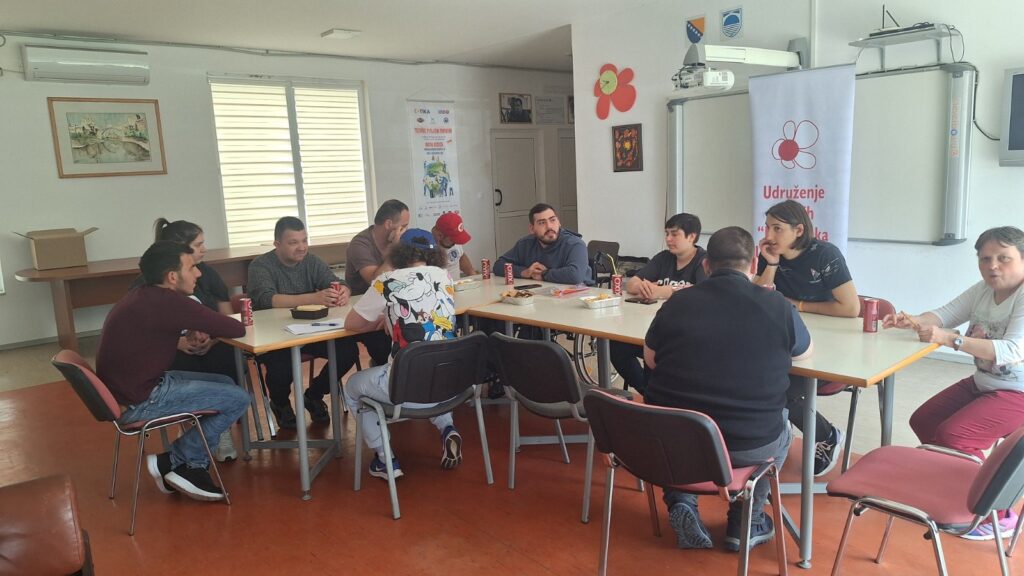
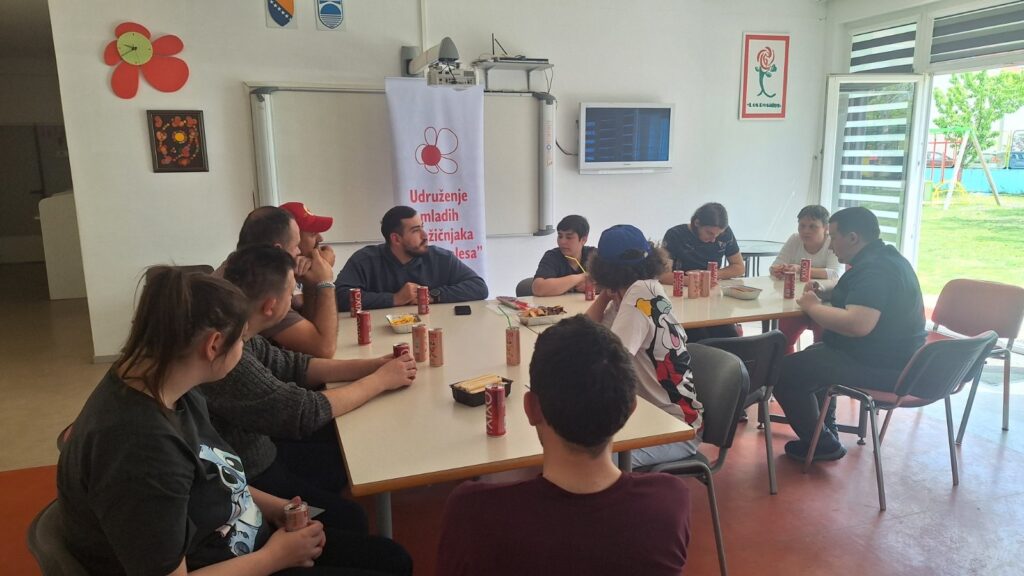
Peer support for young people with disabilities takes on a new dimension this year - it expands from Tuzla and becomes available to young people in their local communities throughout Bosnia and Herzegovina. One of the cities where the peer support cycle was implemented is Mostar, where space was created for open conversation, exchange of experiences, mutual support and empowerment.
Peer support is based on a simple yet important principle: people with similar life experiences can offer each other understanding, support, practical knowledge, and encouragement that is not always available through formal forms of support.
An attempt was made to create precisely such a space in Mostar as well.
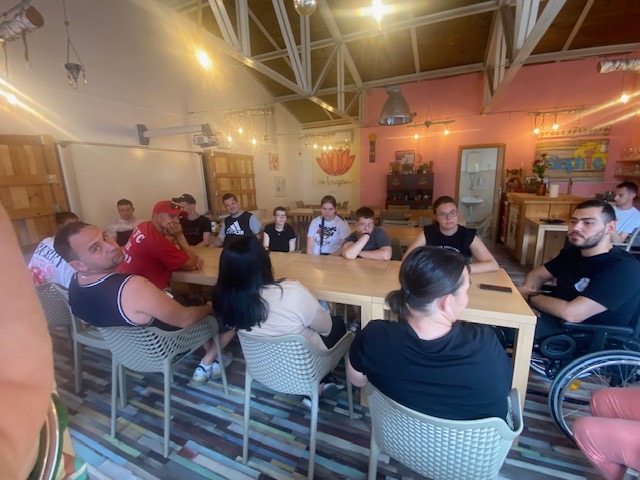
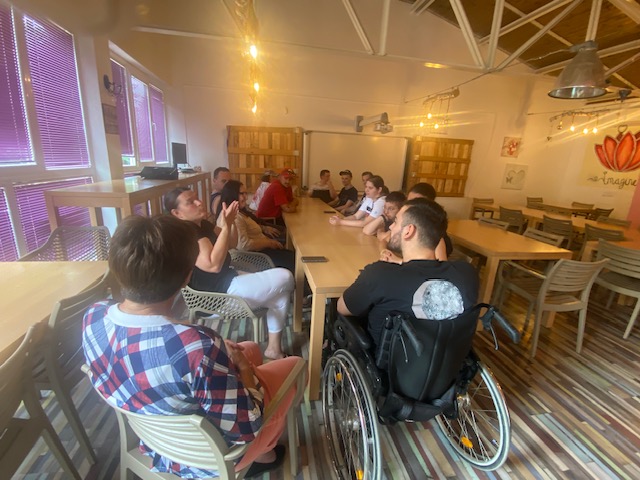
Participants with different types of disabilities had the opportunity to openly discuss their experiences, needs and daily challenges, as well as ways in which they can achieve greater independence and participate more actively in the life of the community.
From everyday experiences to questions of independent living
Peer sessions were not intended as classic lectures. At the center of the meeting were the participants, their experiences, questions and concrete situations from everyday life.
Discussions covered daily routines and obstacles, assistive support and technologies, society's attitude towards people with disabilities, independence and pushing one's own limits, mental and physical health, lifestyle habits, and personal assistance.
Already during the first conversations, an important message was emphasized – A person is much more than their diagnosis..
The participants talked about their interests, abilities and the ways in which they adapt to different situations every day, but also about what kind of support they need in order to be able to participate equally in the life of the community.
Independence doesn't mean doing everything yourself.
One of the important themes of the cycle was independence and pushing one's own boundaries.
Through the conversation, the participants recognized what they can do independently, in which segments they need support and which changes in their daily habits can contribute to a higher level of autonomy.
It was especially important to recognize that the support needs are not the same for all people with disabilities. There is no one model that suits everyone - support should be based on the specific person, their needs, choices and life circumstances.
It was also discussed how, when and from whom to ask for support - be it family, friends, personal assistants or institutions - while preserving personal integrity and control over one's own life.
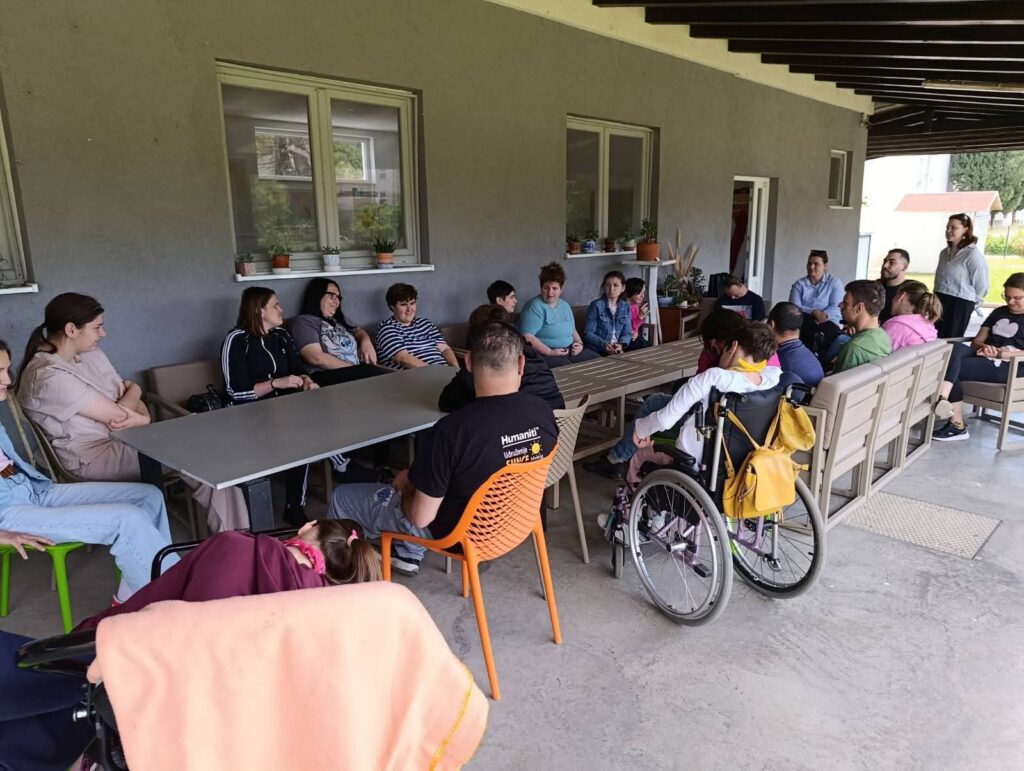
Openly about mental health, too
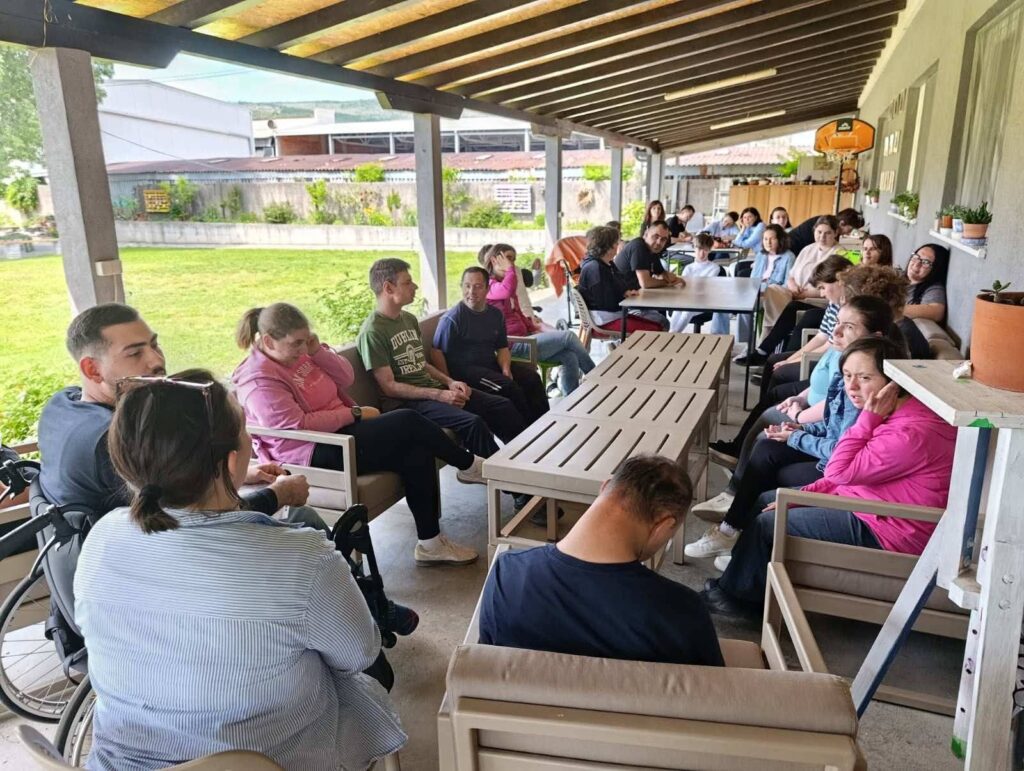
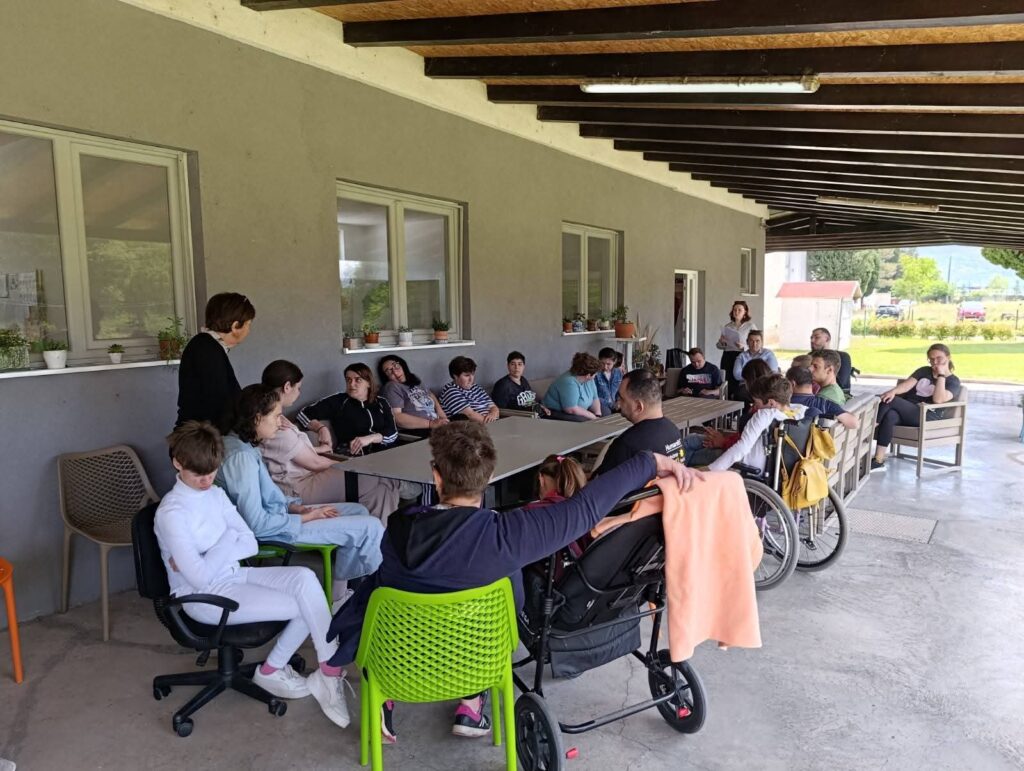
The peer group also opened up space for a topic that is still not discussed enough – mental health of people with disabilities.
Participants discussed the connection between physical and mental health, quality of sleep, social interaction, lifestyle habits, stress, but also the impact of isolation and lack of social activities on everyday life.
The peer environment made it possible to talk about these issues through one's own experience, without judgment and with the understanding of other group members.
Such conversations have once again shown that peer support is not just an exchange of information. It can be a space where a person recognizes that they are not alone in their experiences, but also a place where one person's experience can help another.
Assistance as a tool for independent living
An important part of the cycle was dedicated to assistance and its significance in everyday life.
Through their own examples, the participants explored what assistance means in practice, in which situations they need support and how it affects the quality of life, freedom of movement, decision-making and social inclusion.
An important conclusion was also that support is not one-way. A person with a disability might be the one needing support in one situation, while in another, they might be the very person providing support to someone else.
This further emphasizes one of the important messages of the entire cycle:
Independence does not mean doing everything on one's own—it means having a choice, the necessary support, and control over one's own life.
A local space for connection and support
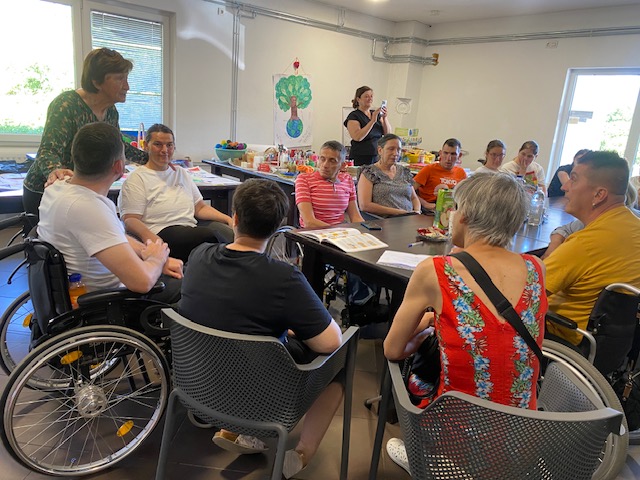
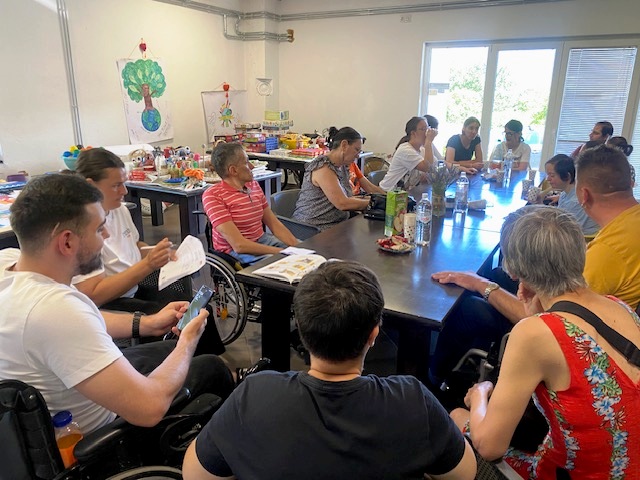
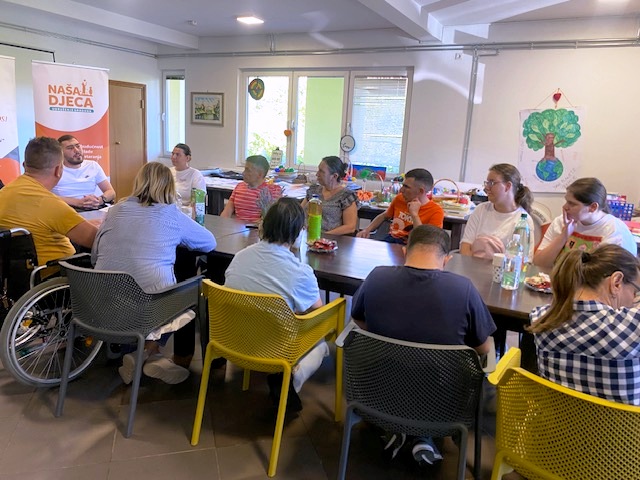
The peer sessions in Mostar were led by Said Kladušak, through conversation, practical examples, and the exchange of experiences with participants regarding topics important to their daily lives and independence.
The special value of the peer approach lies in the fact that knowledge is not only transmitted through the classic relationship between lecturer and participant, but through mutual exchange of experiences.
Participants had space to talk about their own challenges and the solutions they found, ask questions, hear the experiences of others and recognize situations that connect them.
In this way, a peer group becomes more than just a place to talk – it becomes a space in which they turn personal experiences into common knowledge, support and motivation for greater independence.
Peer support needs to be where young people live.
The initiation of peer support in Mostar is part of the wider effort of IC "Lotos" to develop opportunities for mutual support of young people with disabilities in different local communities throughout Bosnia and Herzegovina.
For a young person with a disability, the opportunity to meet other people with similar experiences in their own community can be very significant. A peer group can be a place to openly discuss disability, independence, support, relationships with family and environment, discrimination, accessibility or own plans for the future.
At the same time, the goal is not for young people to remain only participants in individual activities. Peer support can be one of the steps towards greater self-confidence, connection, activism and participation of young people in making decisions that affect their lives.
Therefore, the goal is not only to organize individual activities, but to create local spaces and capacities where young people can connect, exchange experiences, learn from each other and gradually become more active in their communities.
The cycle has concluded – peer support continues.
The conclusion of this cycle does not mean the end of peer support in Mostar.
The participants' experiences have once again demonstrated the importance of spaces where people with disabilities can speak openly, understand one another, connect, and empower each other.
During this year, peer support is spreading to other areas in Bosnia and Herzegovina. In the coming period, we will continue to present their stories, the experiences of the participants and the people who create local support spaces.
Our goal is that peer support is not an occasional activity, but part of the long-term empowerment of a new generation of young people with disabilities for independent life, active participation and advocacy of one's own rights.
For the experience from Mostar sends a simple message:
Peer support is not just conversation—it is a space where experience becomes support, and support becomes the strength for change.
Peer support activities are implemented within the framework Program for Empowering Young People with Disabilities, who carries out Information center for people with disabilities "Lotos" Tuzla, with the support of MyRight and STIL, as well as of the Federal Ministry of Culture and Sports through the Transfer for Youth of the Federation of Bosnia and Herzegovina - 2026.