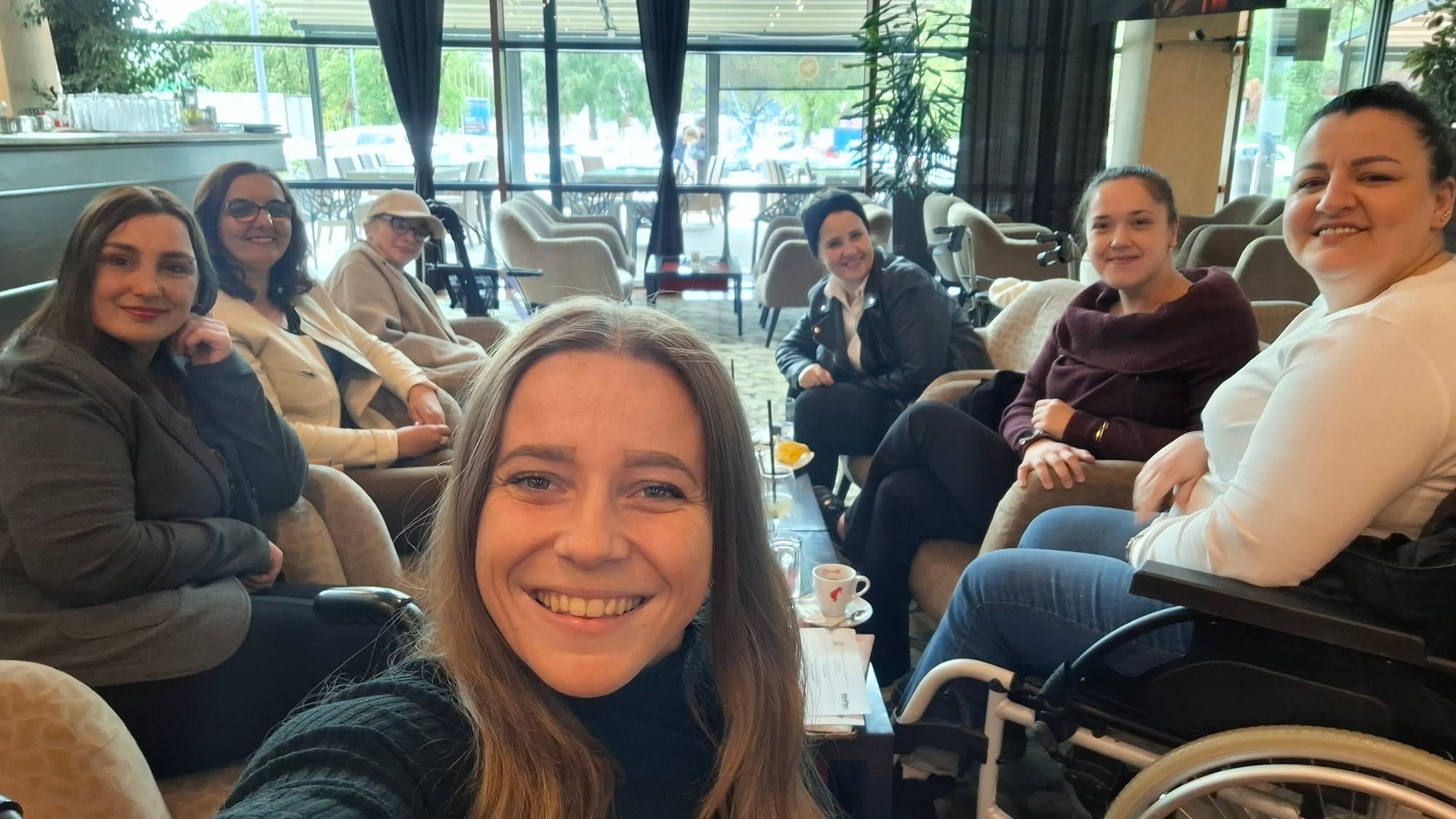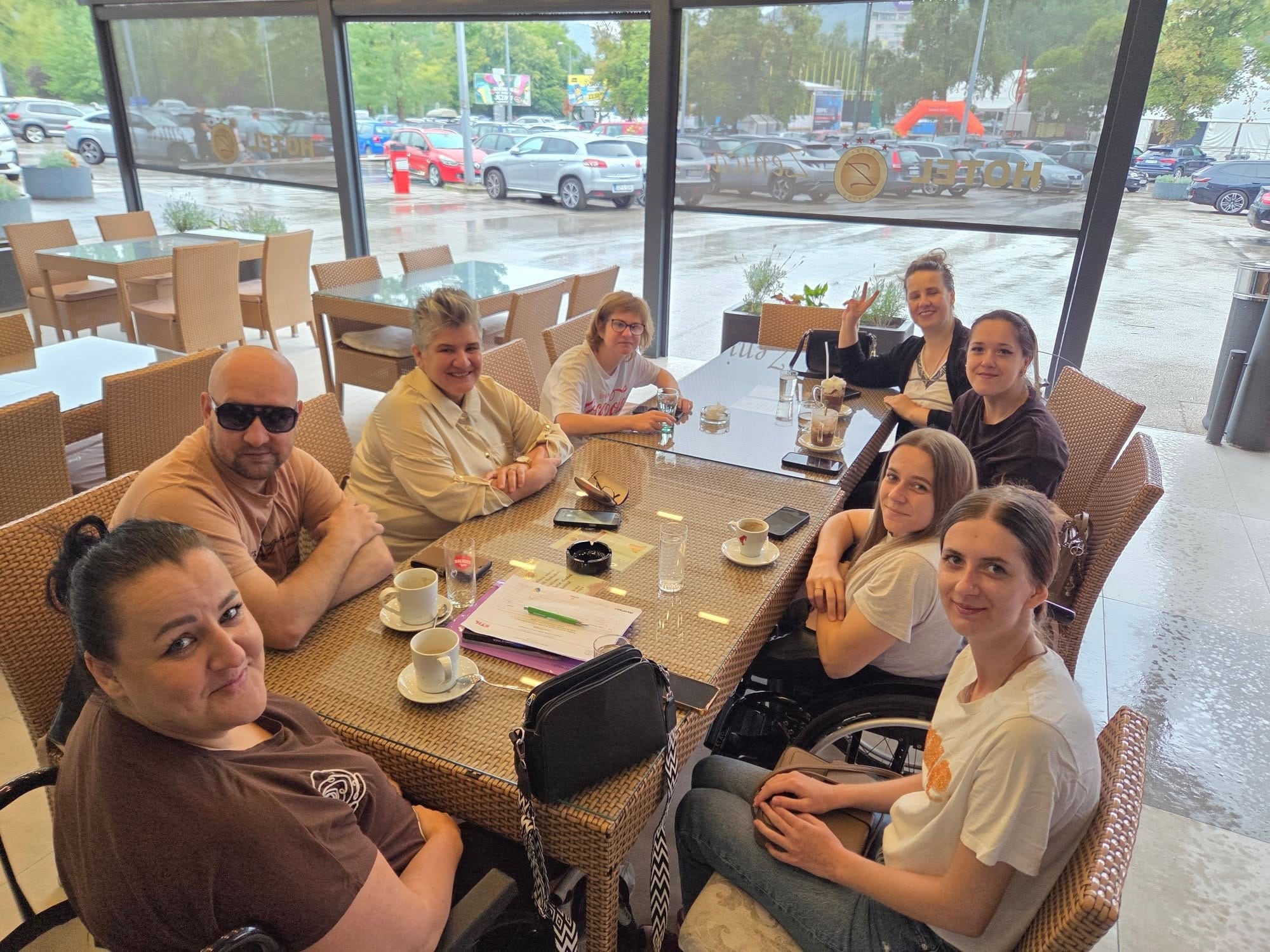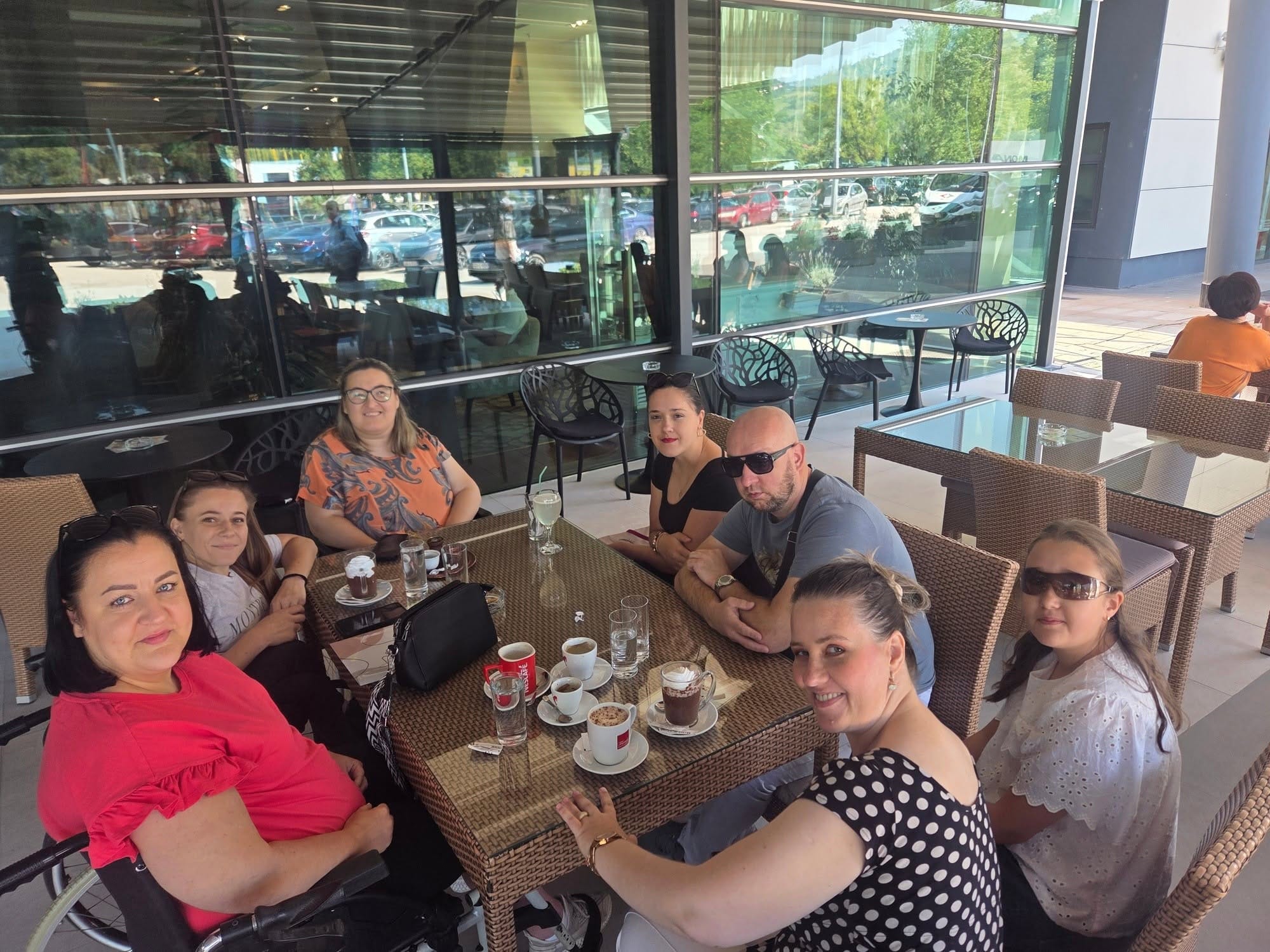
Peer support for young people with disabilities takes on a new dimension this year - it becomes available to young people in their local communities. One of the cities where this form of support was launched is Zenica, where from May to August 2026, a cycle of four peer sessions for young people with disabilities was realized.
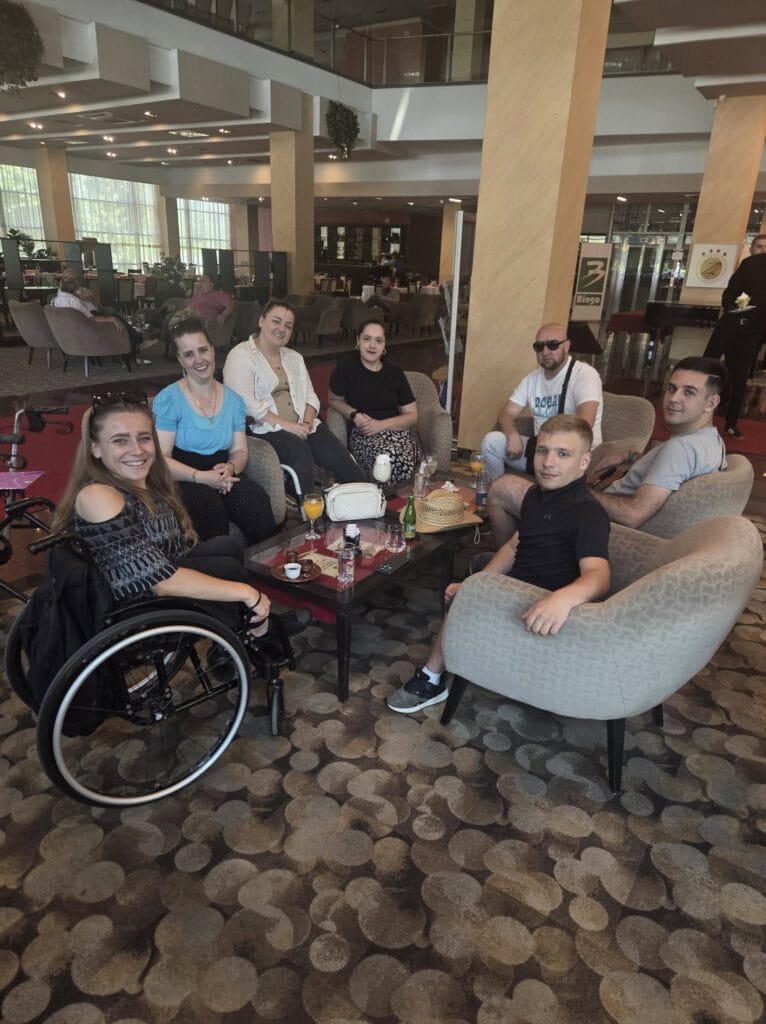 Peer support is based on a simple but important principle: people who have similar life experiences can provide each other with understanding, support, practical knowledge and encouragement that cannot always be obtained through formal forms of support. Exactly such a space was tried to be built in Zenica as well. In cooperation with the Association of Paraplegics and Polio Patients in Zenica, during four meetings, young people with disabilities had the opportunity to openly discuss their experiences, needs and obstacles they face every day.
The first peer session was held on May 22, and the cycle concluded on August 25, 2026. A total of 11 different young people with disabilities participated across the four meetings.
The topics were not separated in advance from their everyday life. They discussed the independence of young people with disabilities, acceptance of disability and building self-confidence, mutual support, visibility and active participation of young people in society, as well as accessibility and architectural barriers. As the cycle progressed, the group itself changed. From the initial introduction and creation of trust, young people became more open and active, expressed their opinions more freely and increasingly exchanged experiences and support.
It is particularly significant that during the cycle new young people were also involved, among them SUMERO members, which created an additional space for connecting young people with disabilities from different organizations and environments.
The initiation of peer sessions in Zenica is part of a broader effort to develop opportunities for mutual support of young people with disabilities in different local communities in Bosnia and Herzegovina. For a young person with a disability, the opportunity to meet peers with similar experiences in their own city can be very significant. A peer group can be a place where for the first time one openly talks about disability, independence, relationships with family and the environment, discrimination, accessibility or one's own plans for the future.
At the same time, the goal is not for young people to remain only beneficiaries of activities. Peer support can be the first step towards their greater self-confidence, connection, activism and participation in decision-making that affects their lives. This is why the development of new local peer leaders is an important part of the process.
Peer sessions in Zenica were led by Elmana Sinanović, with the mentoring support of Samira Džidić. For Elmana, this was the first experience of continuously leading a peer group of young people with disabilities, while Samira supported her through the mentoring process in the preparation and implementation of the sessions and the development of the skills needed to lead the group.
As the cycle progressed, through practical work, Elmana gained more and more confidence in leading group discussions, communicating with participants and recognizing their needs. In this way, the mentoring support was not only focused on the implementation of one cycle of sessions, but also on the empowerment of the new local peer leader who can continue to use the acquired experience in working with young people in Zenica. This is precisely one of the important goals of this approach: not to organize only individual activities, but to develop people and local capacities that will enable peer support to be available to young people in their communities.
In this way, we don't just complete one project activity - we build local capacity so that peer support can live on after the end of the individual project.
Experience from Zenica has shown that there is a need among young people with disabilities for spaces that foster continuous dialogue, mutual understanding, networking, and empowerment.
That is why the last held session should not be seen as the end. It is confirmation that the first step has been taken.
During this year, peer support for young people with disabilities was launched in other areas in Bosnia and Herzegovina. In the coming period, we will present their stories, experiences of young people and people who create local support spaces. Our goal is that peer support is not an occasional activity, but part of the long-term empowerment of a new generation of young people with disabilities for independent living, active participation and advocacy of their own rights.
For the experience from Zenica sends a simple message:
Peer support is not just conversation—it is a space for empowerment, connection, and creating change.
Peer support activities for young people are implemented with the support of MyRight, as well as within the project "Young advocates of inclusion - independent life in practice", which is implemented with the support of the Federal Ministry of Culture and Sports through the Youth Transfer of the Federation of Bosnia and Herzegovina - 2026.